Join Us


Retail fulfillment is no longer built around a single path to the customer. Orders may need to move from distribution centers to stores, from warehouses directly to consumers, or through hybrid workflows that change with demand. Seasonal peaks, promotions, market shifts, and changing consumer behavior can quickly reshape order volumes and product mixes.
Traditional automation can improve efficiency, but fixed systems are often designed around specific tasks, layouts, or order profiles. When demand changes, that automation may not be able to shift with it. Retailers need a more adaptable way to support fulfillment, replenishment, and distribution across a constantly changing network.

Apollo is designed to work in environments built for people, making it well suited for retail warehouses, distribution centers, and fulfillment operations. As an AI-powered humanoid robot, Apollo can interact with existing infrastructure such as racks, shelves, totes, carts, conveyors, bins, and workstations.
Instead of automating only one workflow, Apollo can support a range of repetitive material handling tasks across retail operations. It can help retrieve goods, pick items, move products, support packout, sort items, and assist with fulfillment workflows that may change by season, channel, or customer demand.
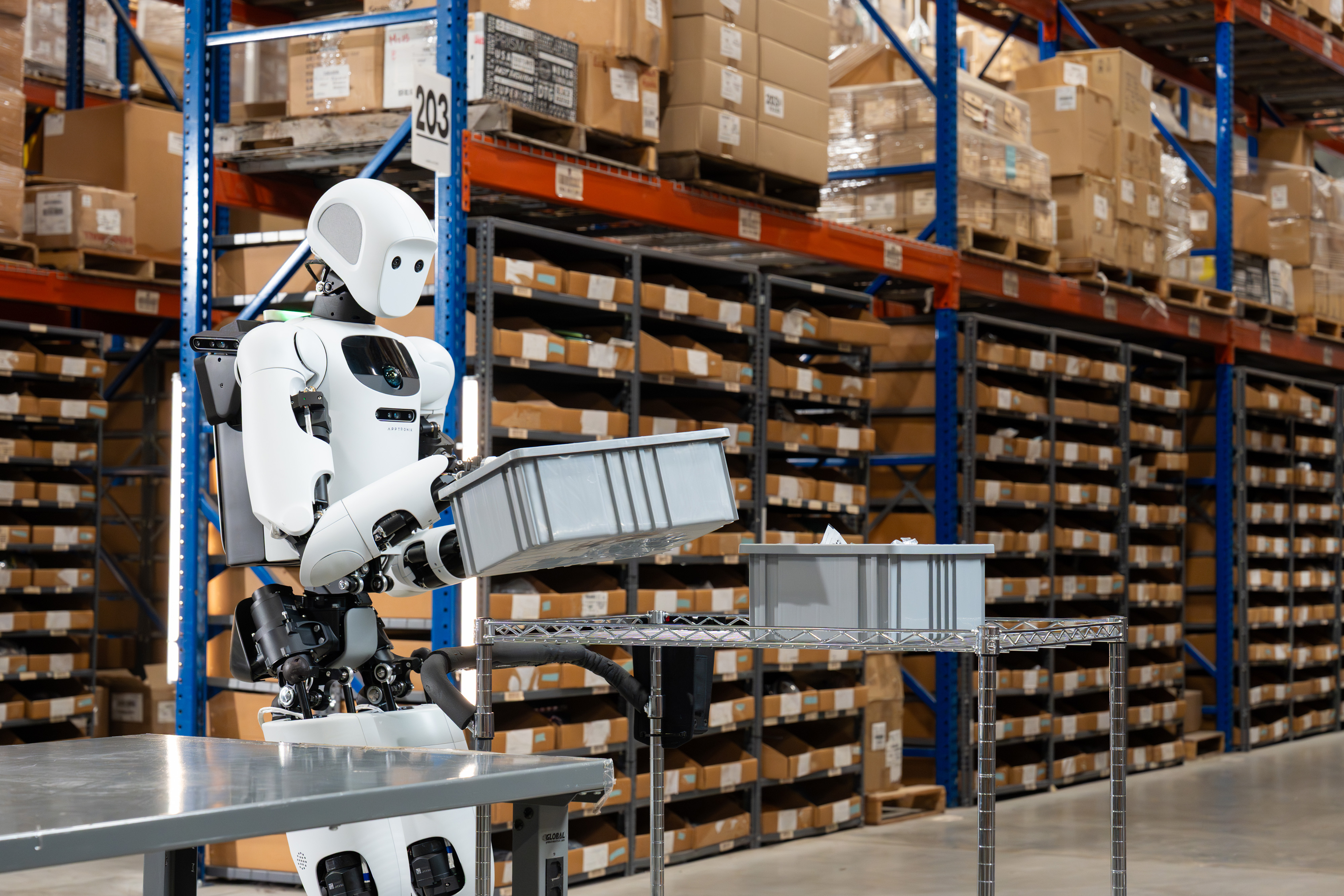
Because Apollo can operate in existing human-centered environments, retailers can deploy automation into workflows where flexibility matters most.
Apollo can support retail operations across a variety of workflows, including:
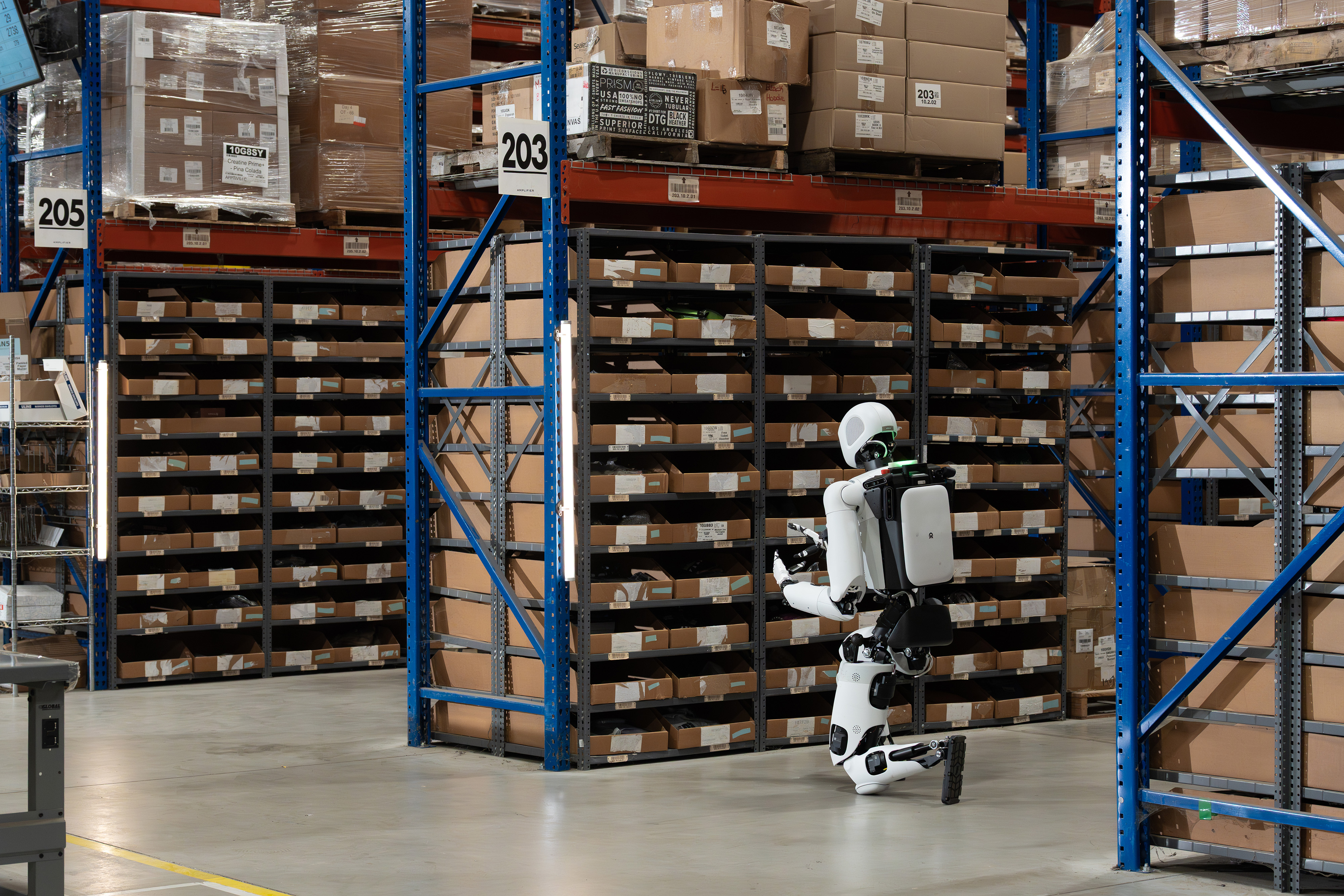
Apollo helps retailers add automation capacity without being locked into a single fixed process. That flexibility is critical when order mix shifts between store replenishment and direct-to-consumer fulfillment, or when seasonal demand creates short-term labor and throughput constraints.
By automating repetitive warehouse tasks, Apollo can help reduce physical strain on workers, improve operational consistency, and support more predictable fulfillment performance. For retailers, this can mean faster response to demand changes, better use of existing facilities, and a stronger ability to meet customer expectations across channels.
Add flexible robotic support during peak seasons, labor shortages, or changing production needs—without permanently increasing operational complexity.
Move Apollo between tasks as operational needs change, helping teams stay responsive without adding complexity.
Deploy Apollo into current facilities or future sites with minimal infrastructure changes, helping teams improve operations without rebuilding around the robot.
