Join Us


Solutions
Pick products from storage to shipping with flexible humanoid automation.
Operational Preview
Modern fulfillment operations are under constant pressure to move more products, faster, with fewer delays. In goods-to-person workflows, items are often stored in dense automation systems such as AS/RS units or vertical lift modules, but the movement between storage, staging, and shipping can still depend on manual labor. This creates bottlenecks, limits throughput, and makes it harder to maintain consistent performance during demand spikes.
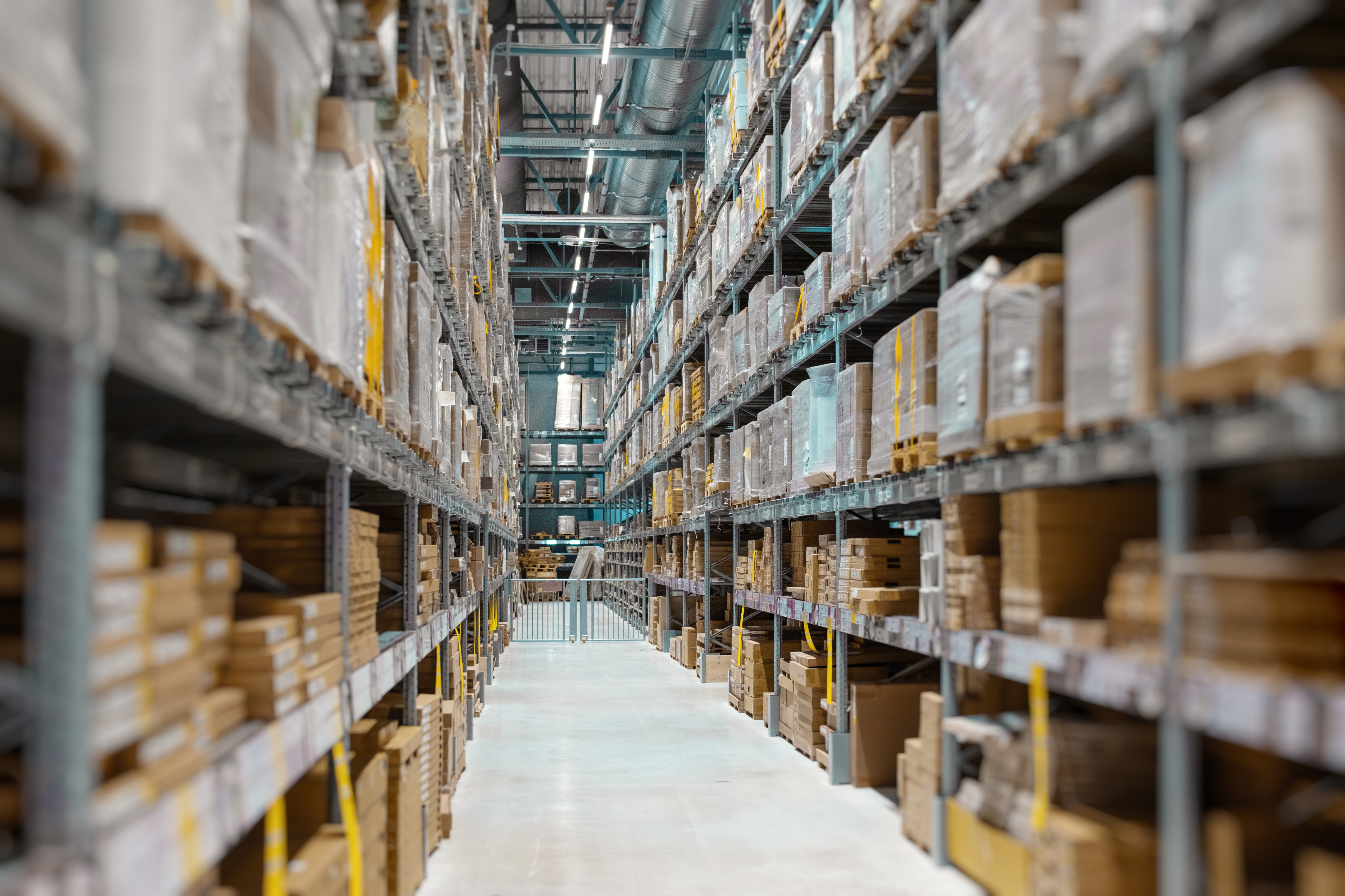
Apollo helps bridge the gap between automated storage systems and outbound fulfillment. Using its mobile manipulation capabilities, Apollo can retrieve consumer goods from storage locations, place them onto industrial carts, and transport them to shipping or staging areas. Designed to work in human-centered environments, Apollo can operate alongside existing warehouse teams and infrastructure without requiring a complete redesign of the facility.
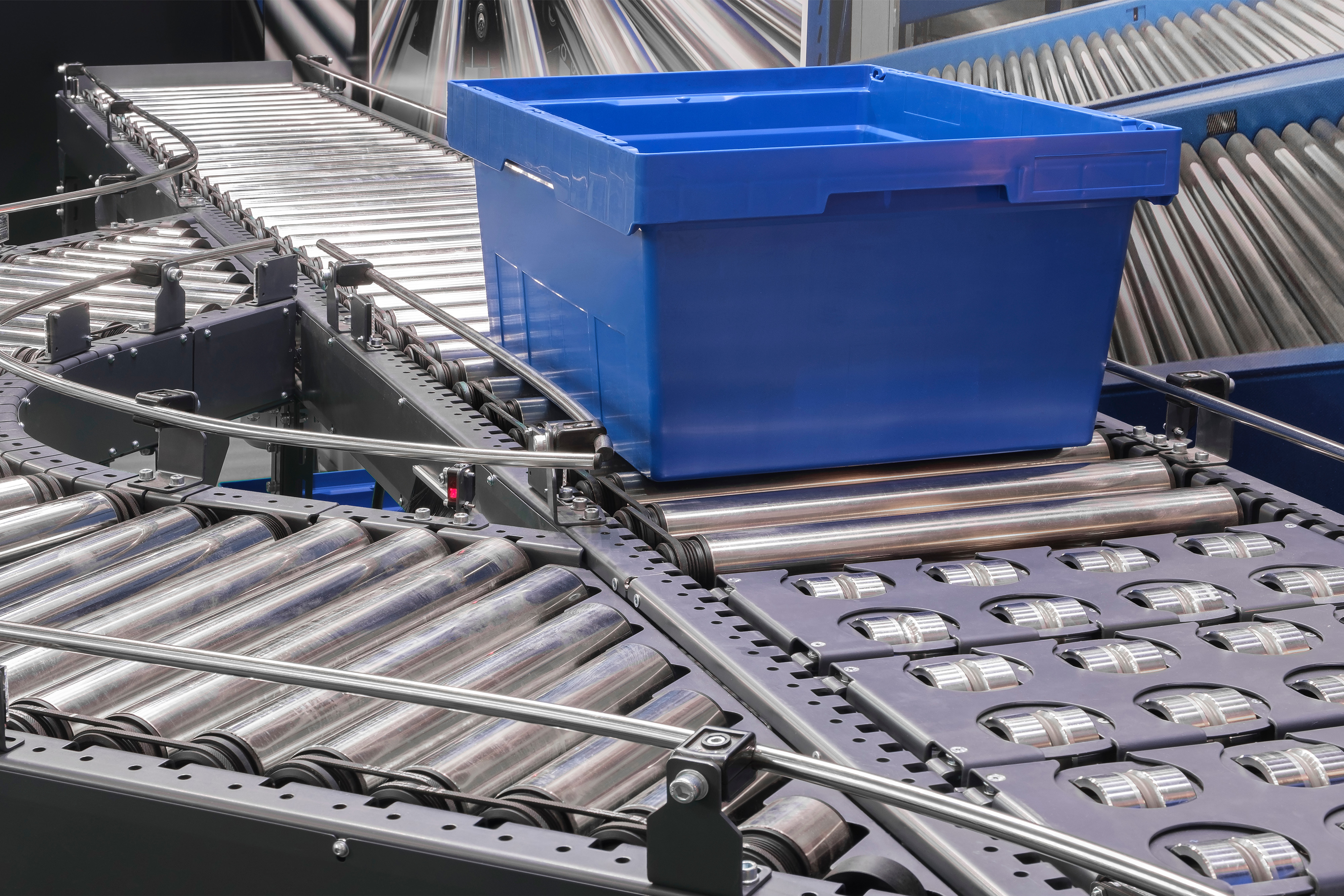
Deploying Apollo for goods-to-person workflows can help customers increase throughput, reduce manual material handling, and improve consistency across fulfillment operations. By automating repetitive transport tasks, teams can better allocate human workers to higher-value activities while maintaining reliable movement of goods from storage to shipment. Apollo also helps operations scale more flexibly during peak demand without relying solely on additional labor.
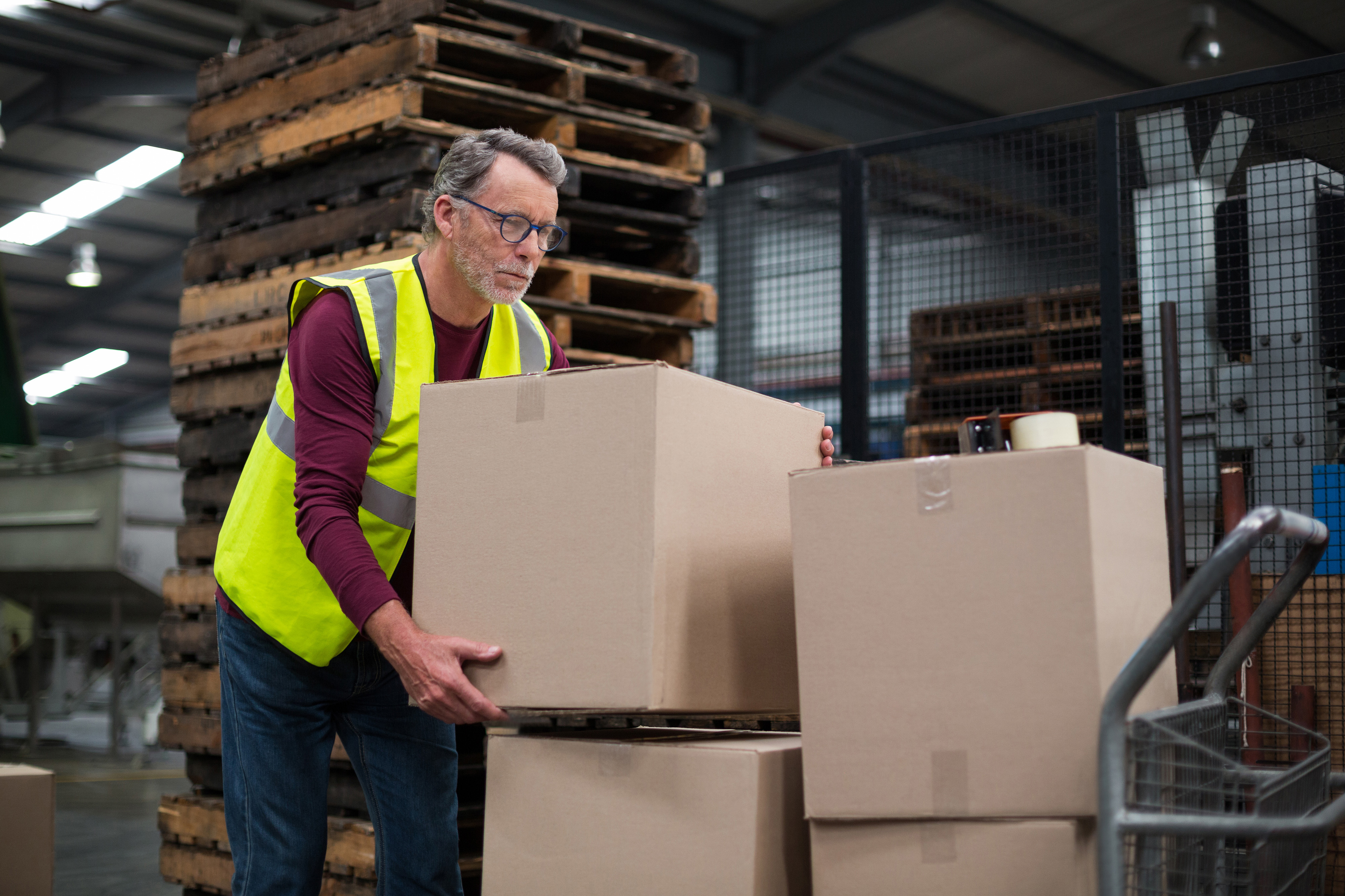
Apollo is designed to support human teams in environments built for people. With a human-like form factor, Apollo can navigate existing spaces, use familiar tools and equipment, and take on physical tasks without requiring major changes to your facility.
01
Support teams with additional physical capacity for repetitive, strenuous, or hard-to-staff tasks.
02
Deploy into human-centered environments without redesigning workflows, tools, or infrastructure around the robot.
03
Help keep essential tasks moving with reliable performance across shifts, sites, and peak demand.
04
Take on demanding work that can lead to fatigue, injury, or burnout for human workers.
05
Add robotic support where and when it’s needed, from targeted workflows to broader deployments.
06
Build a more adaptable operation that can respond to labor shortages, demand swings, and changing business needs.
