Join Us


Solutions
Improve quality control with consistent inspection and intelligent part sorting.
Operational Preview
Final quality control is essential in manufacturing, especially for automotive parts where defects, misclassification, or missed quality issues can create downstream problems. Manual inspection and sorting can be repetitive, visually demanding, and difficult to perform with consistent accuracy over long shifts. As production volumes increase, maintaining quality without slowing throughput becomes a major operational challenge.
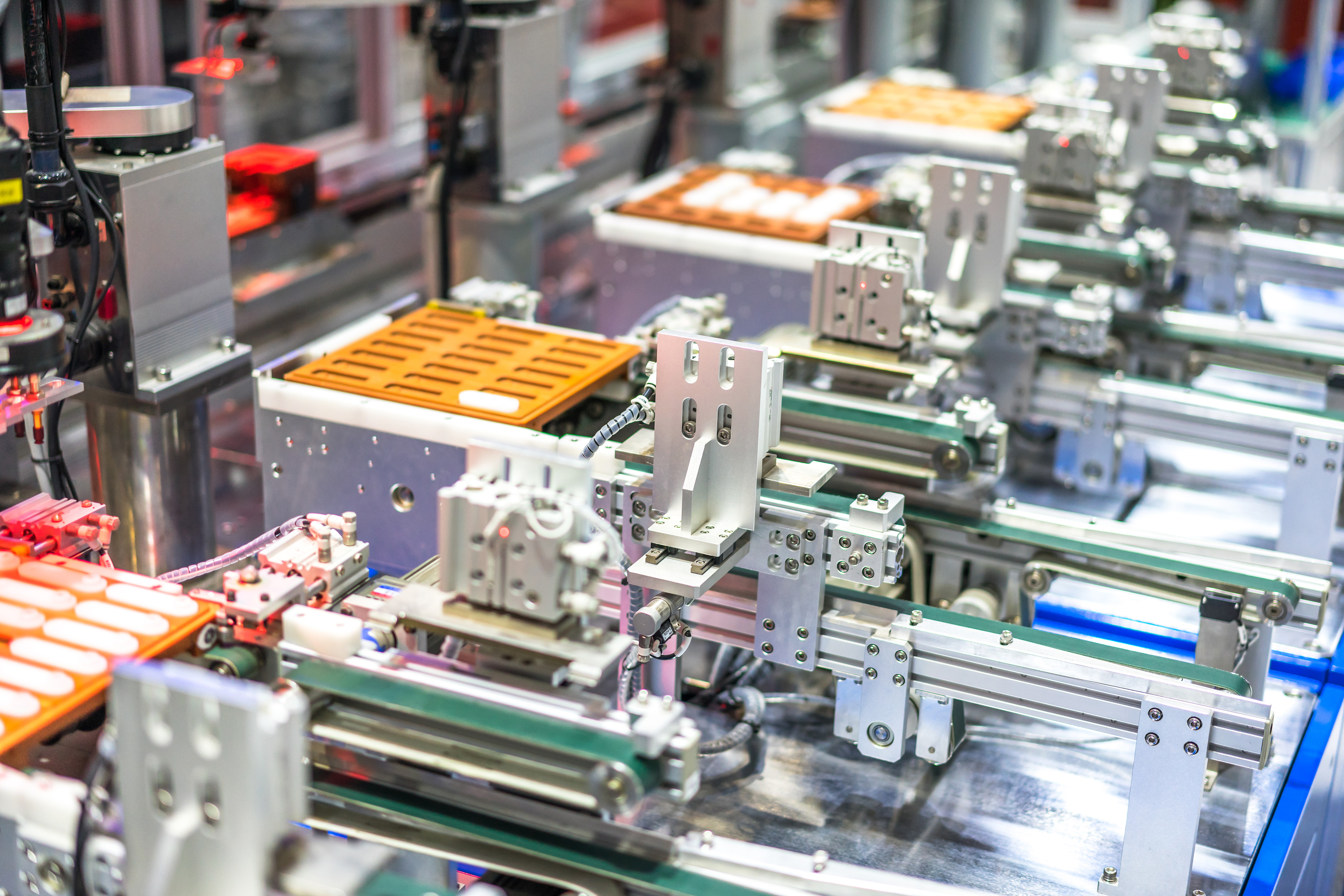
Apollo can support end-of-line inspection and sorting by examining automotive parts for defects, quality issues, or classification criteria, then placing them into the appropriate bins. By combining perception, mobility, and manipulation, Apollo can help automate repetitive quality control tasks in production environments. Its ability to work in human-centered spaces allows it to be deployed near existing production lines and sorting areas.

Using Apollo for inspection and sorting can help customers improve consistency, reduce manual quality control burden, and support more reliable part classification. Apollo can help keep production moving while reducing the risk of errors caused by fatigue or repetitive work. For manufacturers, this can mean better quality outcomes, fewer disruptions, and more efficient use of labor across the production floor.

Apollo is designed to support human teams in environments built for people. With a human-like form factor, Apollo can navigate existing spaces, use familiar tools and equipment, and take on physical tasks without requiring major changes to your facility.
01
Support teams with additional physical capacity for repetitive, strenuous, or hard-to-staff tasks.
02
Deploy into human-centered environments without redesigning workflows, tools, or infrastructure around the robot.
03
Help keep essential tasks moving with reliable performance across shifts, sites, and peak demand.
04
Take on demanding work that can lead to fatigue, injury, or burnout for human workers.
05
Add robotic support where and when it’s needed, from targeted workflows to broader deployments.
06
Build a more adaptable operation that can respond to labor shortages, demand swings, and changing business needs.
